Long Branch Home Valuation: What Affects Your Price
December 4, 2025
December 4, 2025
What is your Long Branch home really worth right now? In a Shore city where ocean views, walkable amenities, and flood zones can change value from one block to the next, getting it right matters. If you are planning to sell, refinance, or invest, you want a clear picture of the factors that move your price in this local market.
In this guide, you’ll learn how location, property features, regulations, timing, and comps shape value in Long Branch. You’ll also get practical checklists for sellers and buyers to support smarter decisions. Let’s dive in.
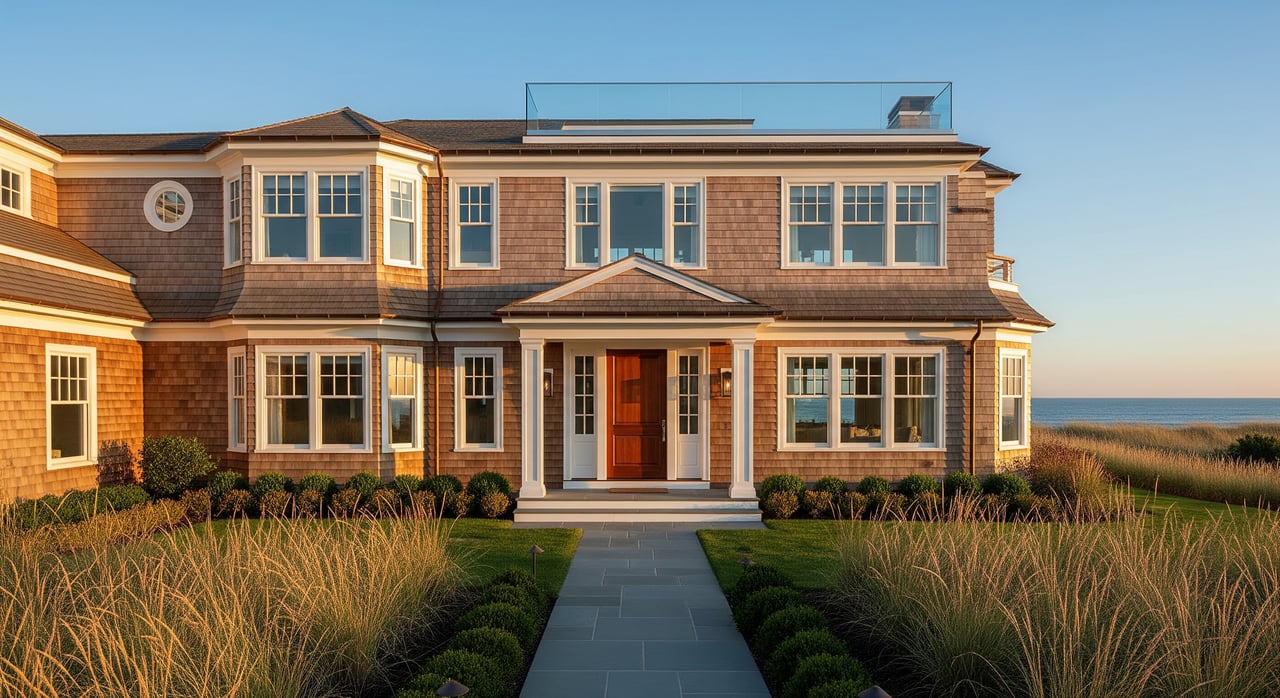
Long Branch is a coastal market, and the ocean helps set the tone. Proximity to the beach, direct water views, and access to the boardwalk and Pier Village often command a premium. Walkability to dining, retail, and transit near Pier Village and downtown can also boost demand.
Different parts of the city serve different buyers. You’ll find oceanfront single-family homes and condos, near-downtown condos, and inland single-family and multi-family properties. Renovations and infill projects are common, so newer updates can sit next to older housing stock.
Demand is mixed and seasonal. Local buyers, second-home owners, investors, and NYC commuters all shop here. Activity often picks up in spring and summer for Shore properties, which can influence pricing and time on market.
In Long Branch, how close you are to the beach and boardwalk heavily influences price per square foot. Direct ocean views, corner orientations, and adjacency to Pier Village often add value. A few blocks inland can reduce per-foot pricing, and block-by-block character still matters.
Single-family, condo, and multi-family homes are valued differently. Condos near Pier Village sell on view, amenities, and parking. Multi-family buildings are often priced using the income approach, which relies on current rents, expenses, and investor yield expectations. Mixed-use downtown properties may factor in commercial lease potential.
Bedrooms and full baths are major drivers for many buyers. Usable square footage, ceiling heights, an open layout, and finished basements can increase appeal. In denser or downtown areas, on-site parking or a garage is a big plus.
Lot size and orientation matter. Ocean views or direct beachfront access usually add a substantial premium. Usable yards, decks, patios, and any private beach access rights can further support price.
Buyers will pay more for homes with strong structural condition and updated systems. Roof, foundation, HVAC, hot water, and well-executed kitchen and bath updates can significantly influence value. Addressing coastal wear like salt corrosion or storm-related repairs helps avoid value drag.
Older homes can offer charm and prime locations, but maintenance and construction quality factor into pricing. Any historic designation or notable construction features may affect both appeal and renovation options.
Elevation, flood vents, storm shutters, elevated utilities, and other resilience features reduce risk perception and can help lower insurance costs. An Elevation Certificate in FEMA zones often influences flood-insurance premiums and can support stronger buyer confidence.
For multi-family properties, current rent levels, occupancy, and documented expenses are central to valuation. Short-term rental potential may add value in some micro-markets, but results depend on local rules, HOA restrictions, and neighborhood acceptance.
First impressions count. Fresh landscaping, exterior touch-ups, and neutral, decluttered interiors help listings photograph and show better, which can drive more traffic and stronger offers.
Much of Long Branch is mapped in FEMA flood zones. If a property is in an AE or VE zone and financed with a federally related mortgage, lenders will require flood insurance. Your Base Flood Elevation and mitigation features influence premium costs. Use the FEMA Flood Map Service Center to check your property’s flood zone and consider getting an Elevation Certificate.
New Jersey’s coastal regulations, including setback and dune protections, can shape rebuild options and replacement costs. Review guidance from the New Jersey Department of Environmental Protection’s coastal resources before making assumptions about expansion or redevelopment.
Monmouth County assessments and Long Branch’s tax rate drive annual costs, which affect buyer affordability. Assessed value may lag market value. Some New Jersey programs, like the Senior Freeze or Homestead benefits, can reduce the effective tax burden if you qualify. See the New Jersey Division of Taxation for statewide guidance.
Zoning governs permitted uses and potential redevelopment. Short-term rental rules vary by municipality and can include licensing and occupancy limits. Confirm details with Long Branch’s municipal planning and code resources to validate any rental-income assumptions before pricing.
Connection to municipal sewer vs septic can affect maintenance and buyer perception. Verify utility connections through local records as part of your valuation prep.
For residential sales, the sales comparison approach is primary. The best comps are recent, nearby, and similar in size, condition, and amenities. For oceanfront, prioritize properties on the same or adjacent blocks and consider orientation and degree of view. Condos require close attention to building amenities, parking, HOA fees, and included utilities. Multi-family often relies on the income approach.
An appraisal is an independent opinion of value used by lenders. Your list price may be higher or lower than the appraised value depending on comp depth and current demand. If an appraisal comes in low, it can constrain financed offers. Providing documentation of recent improvements, relevant comps, and showing activity helps appraisers understand Long Branch nuances.
Activity often rises in spring and summer for Shore properties, which can translate to quicker sales or stronger offers for desirable listings. Off-season, motivated buyers still transact, and you may face less competition from similar listings.
Months of supply and buyer demand guide leverage. When inventory is tight, sellers can command premiums. When inventory grows, buyers gain negotiation room. Your pricing strategy should reflect current local data.
Your home’s value is a blend of location, property features, flood and insurance realities, and current comp data. Start by documenting your updates, verifying flood details, and reviewing nearby recent sales. Then build a pricing plan that reflects seasonality, current inventory, and buyer demand.
If you want a clear, local read on value, connect with a neighborhood-savvy agent who understands Long Branch micro-locations and coastal regulations. For an expert, bilingual consultation and a data-backed valuation, reach out to Viviana Mejia.
Stay up to date on the latest real estate trends.







Ready to buy, sell, or just explore your options? Viviana is here to help—reach out today to start the conversation.