
FHA vs. Conventional Loans in Matawan
November 21, 2025
November 21, 2025
Trying to choose between an FHA and a conventional loan for a home in Matawan? You are not alone. Many first-time and move-up buyers compare these two options while weighing credit, down payment, and monthly costs. In this guide, you’ll learn the key differences, how they play out in Matawan, and simple steps to decide which loan fits your goals. Let’s dive in.
FHA loans are insured by the Federal Housing Administration. They are designed to help buyers with lower credit scores or smaller down payments. FHA requires a minimum 3.5% down payment for scores of 580 or higher, and 10% down for scores between 500 and 579. FHA also requires mortgage insurance: an upfront premium of 1.75% of the loan amount plus an annual premium. You can review premium details on HUD’s page for FHA mortgage insurance premiums.
Conventional loans follow Fannie Mae or Freddie Mac guidelines or are offered by private lenders. Down payments can be as low as 3% for certain first-time buyers, though many put 5% to 20% down. If you put less than 20% down, private mortgage insurance (PMI) is required. PMI is typically cancellable when you reach 20% equity, and the federal rule calls for automatic termination at 78% loan-to-value. The Consumer Financial Protection Bureau explains cancellation in its guide to removing PMI.
Both loan types have limits. FHA loan limits vary by county and property type. You can look up current limits using HUD’s FHA mortgage limits tool. Conventional conforming limits are set by FHFA each year. The 2024 baseline conforming limit for a 1-unit property in most counties was $766,550, which you can confirm on the FHFA conforming loan limits page.
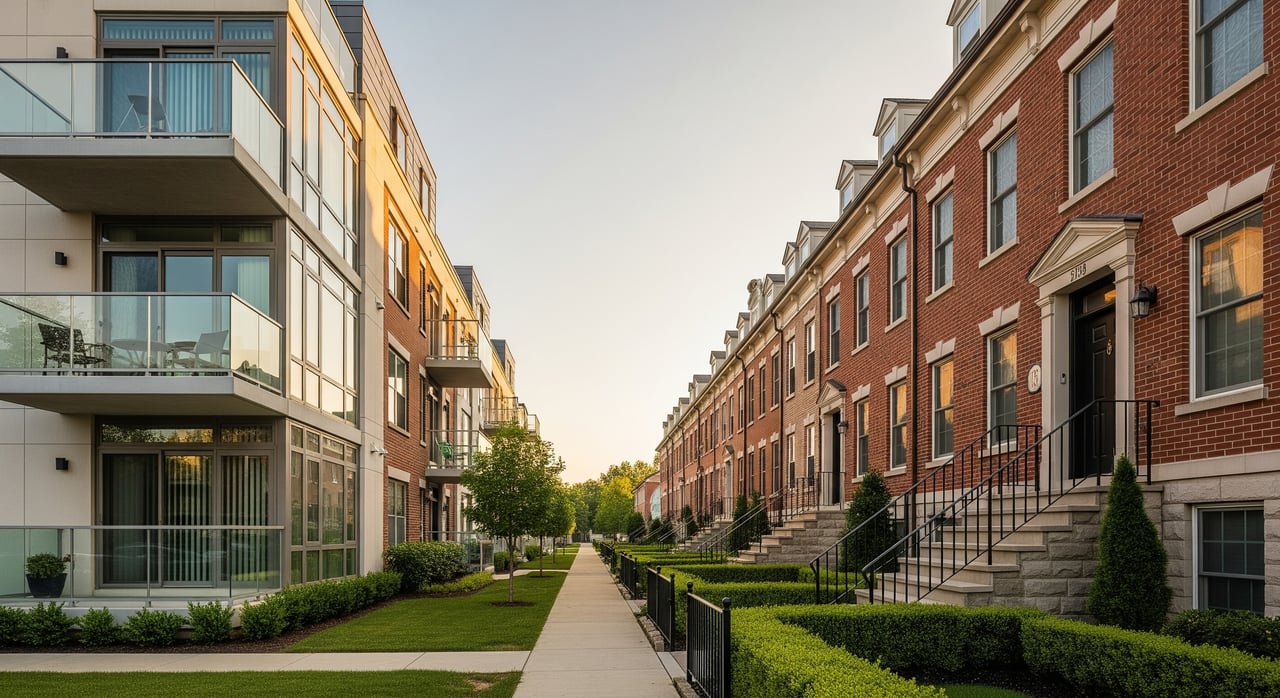
Matawan is in Monmouth County and has a mix of single-family homes, older turn-of-the-century houses, townhomes, and small condo communities. Because FHA has minimum property standards and an owner-occupancy requirement, older homes that need repairs can be more challenging for FHA unless the seller agrees to fix items. You can review FHA’s property standards by browsing HUD’s Single Family Housing Policy Handbook 4000.1.
If you are considering a condo, FHA requires that the project be FHA approved. Before you commit to an FHA loan, check the building’s status using HUD’s FHA-approved condominium search. Conventional loans often have different condo project rules, which can make them more flexible in some cases.
Monmouth County property taxes are a meaningful part of your monthly payment. Ask for the current tax bill early so you can calculate escrowed costs and plan your debt-to-income ratio. Also factor in homeowners insurance and, if applicable, flood insurance.
If your credit is in the mid to high 500s and you have minimal down payment funds, FHA often makes the purchase possible. Match the home choice to FHA condition rules, and plan for long-term MIP unless you refinance later.
You may qualify for conventional financing and reduce long-term cost by canceling PMI when you reach 20% equity. If your debt-to-income ratio is high, compare an FHA quote too.
Conventional is typically the clear fit. You avoid mortgage insurance, expand property options, and often see competitive pricing.
Conventional may be more practical if the condo is not FHA approved or if minor repairs would delay an FHA closing. Always check condo status on HUD’s approval search early.
FHA can help you get in the door if your credit needs work. Once your credit and equity improve, you can explore refinancing to a conventional loan to remove FHA MIP.
If you start with FHA, plan the milestones that support a future refinance to conventional. Watch your equity growth, rate trends, and closing costs to make sure the math works. Many buyers refinance to remove MIP once they qualify for conventional terms.
Have questions about loan choices or need a local sounding board on property condition and condo rules? Reach out for a simple, side-by-side breakdown of your options and a plan that fits your timeline and budget. For a friendly, bilingual consult, connect with Unknown Company. Let’s Connect — Get Your Free Home Valuation (Hablemos — Valoración Gratis).
Stay up to date on the latest real estate trends.






Ready to buy, sell, or just explore your options? Viviana is here to help—reach out today to start the conversation.