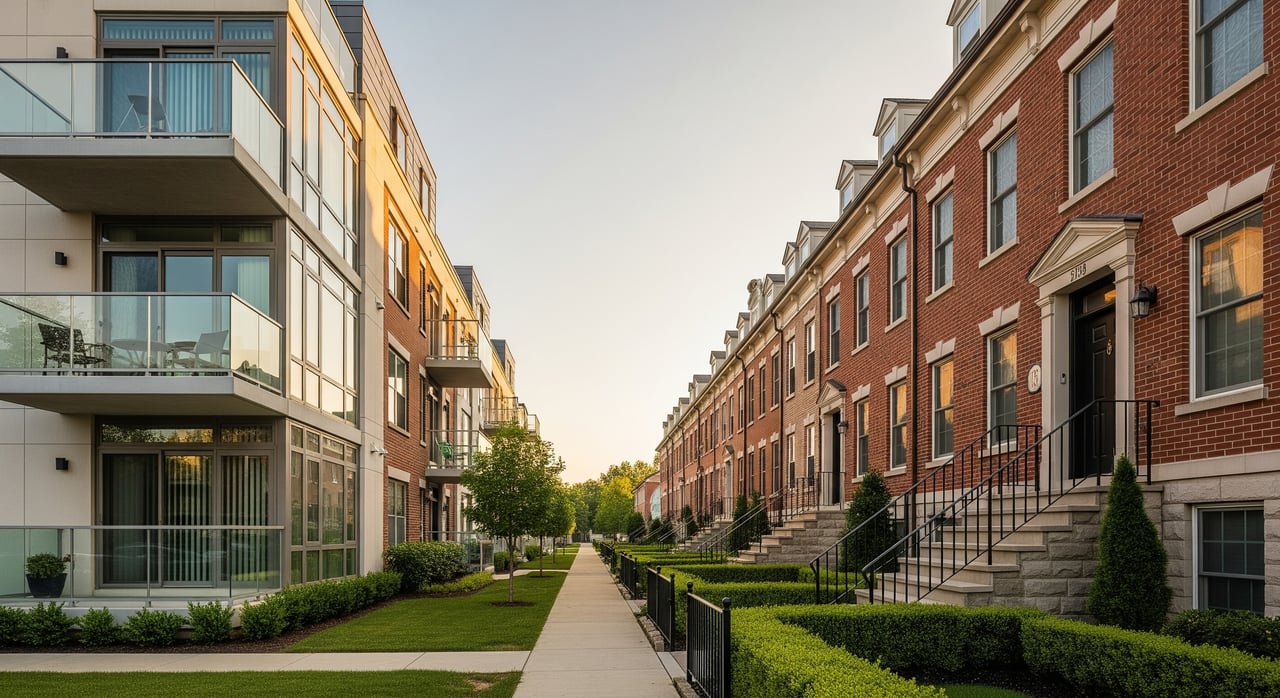
Condo vs Townhome Costs in Old Bridge, NJ Explained
December 25, 2025
December 25, 2025
Thinking about a condo or a townhome in Old Bridge but not sure which one truly costs less each month? You’re not alone. On the surface, condos can list lower, while townhomes can carry lower dues, yet the total monthly spend often surprises buyers. In this guide, you’ll learn how to compare all-in costs across fees, taxes, insurance, utilities, maintenance, financing, and resale factors in Old Bridge Township and greater Middlesex County. Let’s dive in.
In New Jersey, a condominium is a form of ownership where you own the interior of your unit and share ownership of common elements. The association maintains those shared elements under the New Jersey Condominium Act (N.J.S.A. 46:8B). A townhome can be fee-simple, where you own the home and land, or it can be a townhome inside a condo association. That legal setup drives what you pay for and what the association covers.
In Old Bridge, condos often have smaller footprints and may come with lower entry prices than many townhomes. Townhomes typically offer more space and sometimes a bit of private outdoor area, which can raise the purchase price and property taxes. Price per square foot can differ based on layout, age, and amenities. Always compare like-for-like on size, condition, parking, and neighborhood amenities before focusing on the sticker price.
Condo dues often cover exterior maintenance, roofing, landscaping, snow removal, trash, building insurance for common elements, and sometimes water or sewer. In a fee-simple townhome community, dues can be lower because owners cover more exterior items themselves. If a townhome is part of a condominium association, fees may look similar to condo fees. Request the current budget, a recent reserve study, and a list of exactly what your dues include.
Property taxes are set through Middlesex County and Old Bridge Township. Your assessed value and local tax rates drive this part of your monthly budget. Because townhomes can be larger and sit on land you own, the tax bill may be higher than a comparable condo. Always review the actual tax bill for the specific property and ask your agent how reassessment after purchase may affect future bills.
Condo owners typically carry an HO-6 policy for interiors, personal property, and loss assessment, while the association insures common areas and the building exterior. For fee-simple townhomes, you usually need a standard homeowners policy that covers the entire structure, which can cost more than an HO-6. Ask for the association’s master policy declarations page and confirm whether coverage is all-in or walls-in, plus the deductible amount, since a large deductible can shift costs to owners through assessments.
Condos may bundle some utilities into the monthly fee, which can simplify budgeting. Townhome owners often pay for more exterior upkeep such as roof, siding, and yard care, unless the HOA covers those items. Add routine costs like HVAC servicing, gutter cleaning, lawn care, and snow removal to your comparison. A simple monthly set-aside for repairs keeps surprises in check.
Plan for an estoppel or resale certificate, association questionnaire, and potential transfer fees at closing. These fees vary by community. Your agent should confirm them early so you can factor them into your cash-to-close.
Some associations charge a one-time capital contribution to support reserves. You may also pay for a full condo or HOA document package for attorney review. Ask for clarity on timing and exact amounts.
Special assessments fund major projects or cover shortfalls when reserves are low. Review board meeting minutes and the latest reserve study to see what may be coming. In older buildings or communities with deferred maintenance, assessment risk can be higher.
Lenders often treat fee-simple townhomes more like single-family homes, which can streamline underwriting. Condominiums can require project-level approval for certain loan programs and may be reviewed for owner-occupancy ratios, reserve strength, insurance coverage, and litigation. If you plan to use FHA or VA financing, verify whether the condo project is eligible. Expect condo reviews and documentation to add time and sometimes cost to your closing.
In the New York–New Jersey metro, convenience, commute options, local amenities, and association health all affect price and liquidity. Buyers and lenders look closely at HOA fee levels, the condition of common elements, reserve funding, and rental policies. A stable association with clear rules and solid reserves supports stronger resale value. Keep an eye on parking arrangements, storage, and amenity upkeep since these influence buyer demand.
Use this quick list to compare two specific properties side by side:
If you prefer predictable exterior care and potentially bundled utilities, a condo may keep monthly chores and variable costs down. If you want more space and control over your property, a fee-simple townhome might suit you, though you will budget more for maintenance and insurance. Either way, compare the total monthly cost, not just the list price or dues. The right call balances your budget, time, and comfort with maintenance.
Every association and block in Old Bridge is a little different. If you want a side-by-side breakdown for two homes, ask for a comparative market analysis, the full HOA document set, and custom insurance quotes. For bilingual guidance and a clear path from search to closing, connect with Viviana Mejia. Hablamos español.
Stay up to date on the latest real estate trends.



Ready to buy, sell, or just explore your options? Viviana is here to help—reach out today to start the conversation.