How To Price Your Hazlet Home Right
January 1, 2026
January 1, 2026
Is your Hazlet home getting ready for the market, but you are not sure what price will attract the right buyers? You are not alone. Pricing is where great sales start, and in Monmouth County’s commuter-friendly market, it pays to be precise. In this guide, you will learn how to set a price that reflects local demand, accounts for taxes and flood considerations, and positions your home to sell with confidence. Let’s dive in.
Hazlet draws buyers who want suburban space with access to the New York metro area. Commuting convenience, lot size and private outdoor space, and the condition of kitchens and baths matter. Proximity to rail or major highways often supports stronger pricing in commuter markets.
New Jersey’s property taxes are a real line item for buyers, so share your current annual tax bill and assessed value early. Flood risk and insurance can affect buyer confidence and price, especially near low-lying areas. Municipal services and local school district considerations can influence pricing tiers in different parts of the borough.
A strong Comparative Market Analysis, or CMA, is your foundation. Focus on 3 to 8 closed sales from the last 3 to 6 months, in your immediate neighborhood or within about a mile, with similar size, beds, baths, and condition. Use pending and active listings as context, since buyers will compare your home to what is on the market right now.
Adjust for the differences that buyers notice and appraisers document. Common adjustments include square footage, recent renovations, lot size, finished basements or attics, and garage availability. Keep your notes clear so you can explain how you arrived at a fair price range.
Price per square foot is a helpful filter, not a final answer. It varies by street, layout, and condition. Use neighborhood medians to set a realistic range and weigh it against your CMA and current competition.
If you reach for a price above recent comparable sales, be ready for appraisal risk. Appraisers rely on closed sales within roughly 6 to 12 months, and big gaps can trigger shortfalls. Plan ahead by prioritizing strong comps and preparing to explain upgrades and condition.
Automated valuation models can give a ballpark, but they miss local nuance like commuter premiums, flood zones, and upgrades. Let your CMA lead, and use online tools for rough context only.
This strategy lists where recent comps support you. It tends to maximize showings and produce offers close to the list price, which keeps days on market low. It also aligns best with appraisals.
Listing slightly below market can create strong traffic and multiple offers in a competitive window. This works best when inventory is tight and your home shows beautifully. You need discipline and a plan for reviewing offers quickly.
Pricing high with a plan to reduce later can extend days on market and reduce leverage. Over time, buyers may assume there are issues. If you try it, schedule a data check at 10 to 21 days and be ready to adjust once.
Think like a shopper using search filters. Pricing at $499,000 can reach buyers capped at $500,000, while $500,000 lands in the next bracket. Choose your band based on how local buyers typically search and where your comps cluster.
Roof condition, HVAC age, electrical and plumbing, foundation, and signs of moisture are priority items. Buyers and appraisers flag these quickly. If issues exist, address them or price accordingly and document your decisions.
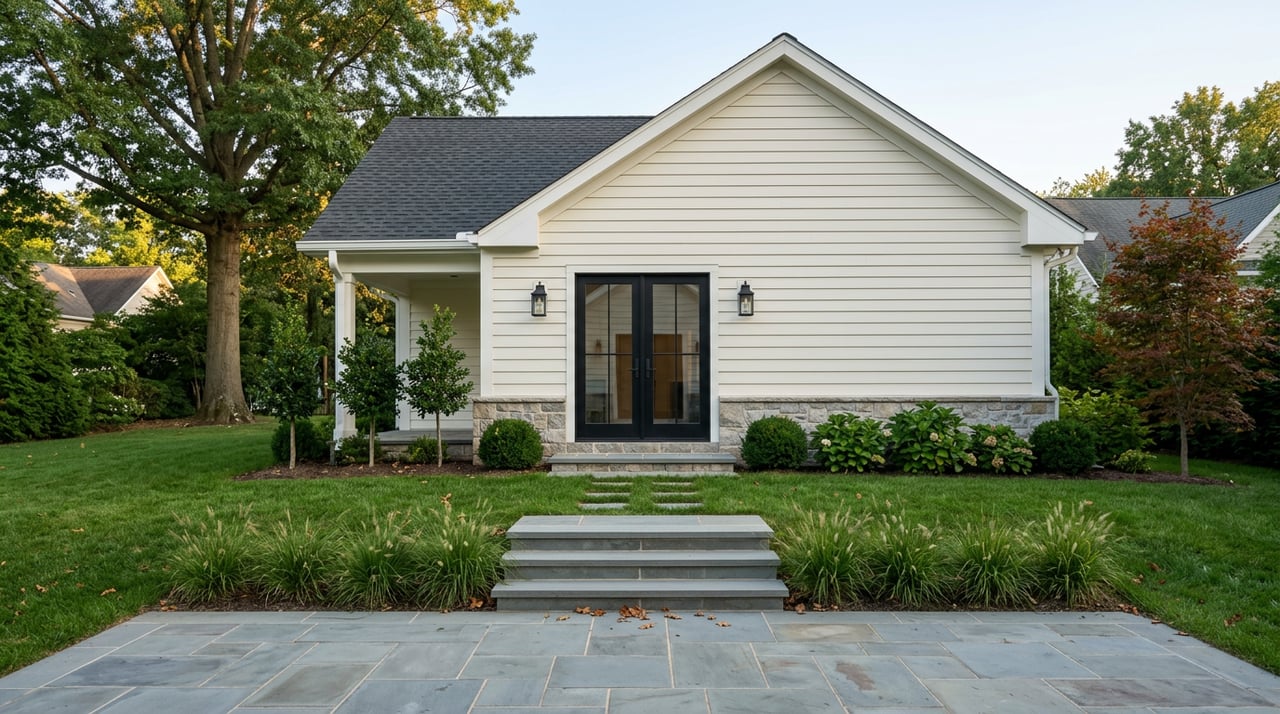
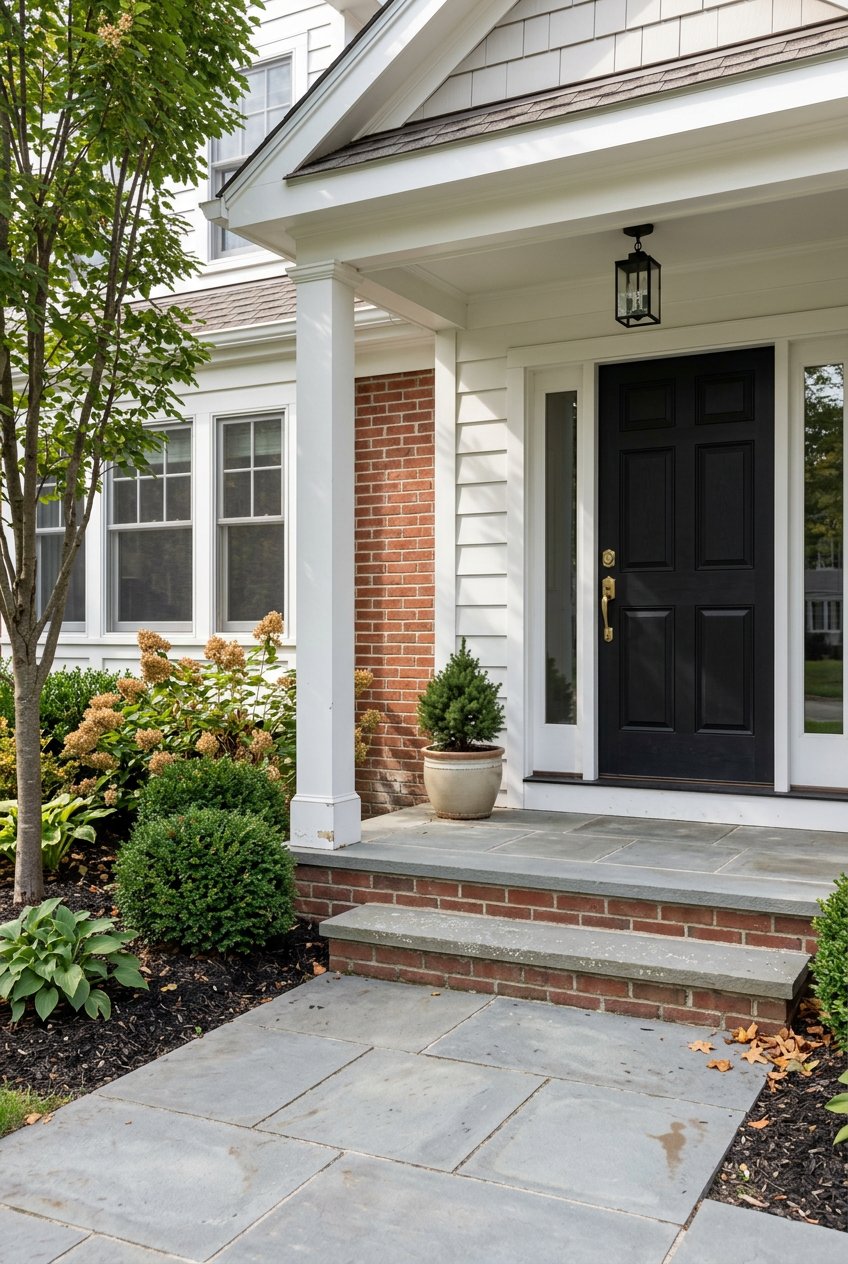
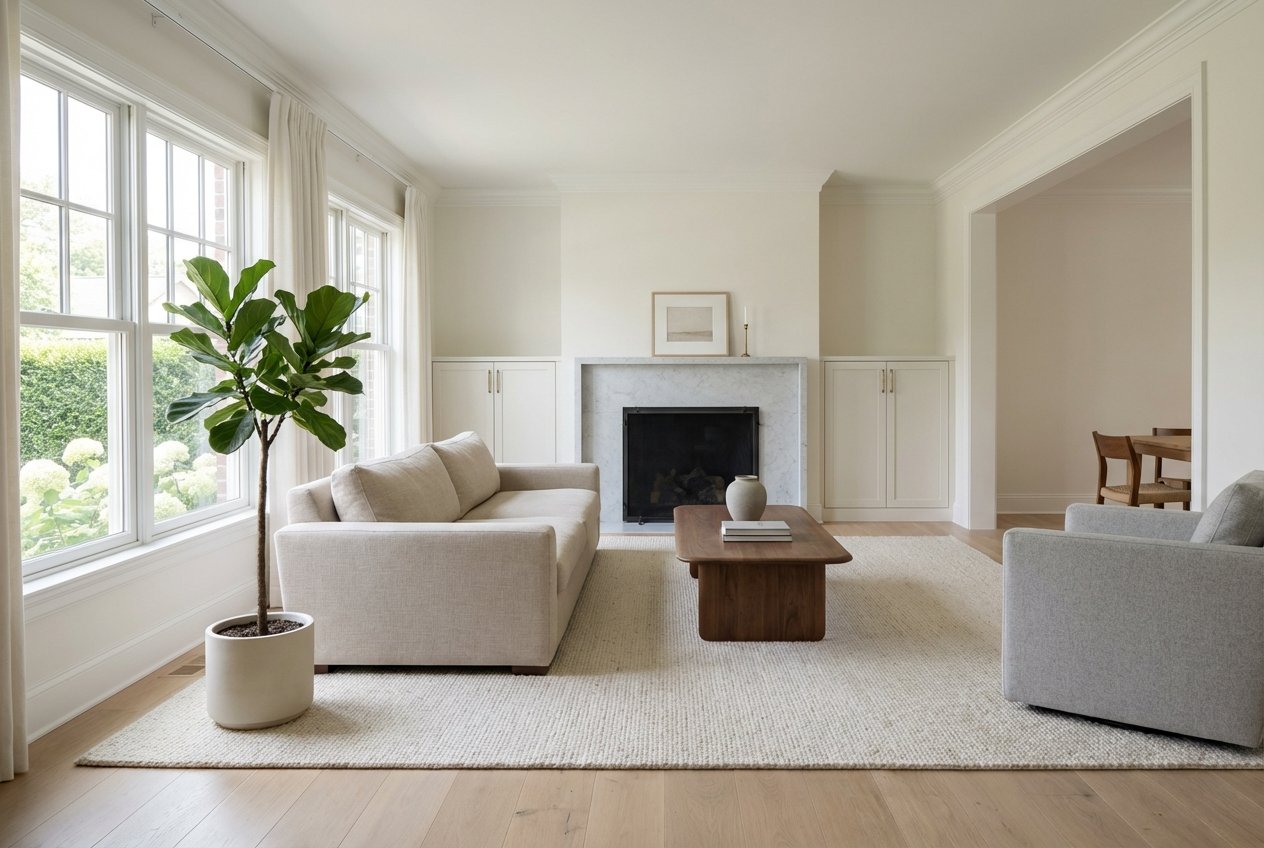
Fresh neutral paint, deep cleaning, decluttering, and curb appeal improvements go a long way. Simple updates to hardware, lighting, and fixtures can help your home compete against nearby updated listings. Keep receipts and a brief summary of recent work for your marketing packet.
If your home is in or near a flood zone, gather any elevation certificates, prior flood insurance policies, and records of mitigation like sump pumps or backflow preventers. Clear documentation builds buyer confidence and helps justify your number.
Staging and professional photography typically help homes sell faster and for more. In a commuter market, many buyers will find you online first, so quality photos, floor plans, and virtual tours can expand your reach to out-of-area buyers.
Your first 10 to 21 days reveal whether your price and presentation are landing. If showings are strong and offers are light, look to condition or marketing. If showings are weak, price is likely the driver.
Track showings per week, list-to-showing conversion, and offer volume compared to similar listings. Monitor new competing listings and pending sales nearby. Compare your days on market to Hazlet’s median to know when action is needed.
Avoid a series of small reductions. If you need to adjust, move to a price that lines up with fresh comps and a better search band. Announce improvements or updated photos at the same time to re-energize demand.
Look beyond the headline price to the net you will receive. Consider financing type, contingencies, appraisal terms, earnest money, and closing timeline. A slightly lower price with stronger terms can be the smarter choice.
If you expect multiple offers, set a clear process and deadline for best terms. Escalation clauses can help lift the final price, but they should be verified for clarity and enforceability. Aim for fair handling and consistent communication with all parties.
If an appraisal comes in low, you can renegotiate, the buyer can cover the difference, or the deal can end based on the contingency. Getting ahead of this with realistic pricing and strong comps reduces risk. Some buyers may offer gap coverage, which can protect your net.
Ready to price with confidence, present your home beautifully, and move on your timeline? Connect with a local, bilingual advisor who knows Hazlet and Monmouth County. Reach out to Viviana Mejia for a free home valuation and a data-driven pricing plan that fits your goals. Hablemos.
Stay up to date on the latest real estate trends.
Ready to buy, sell, or just explore your options? Viviana is here to help—reach out today to start the conversation.