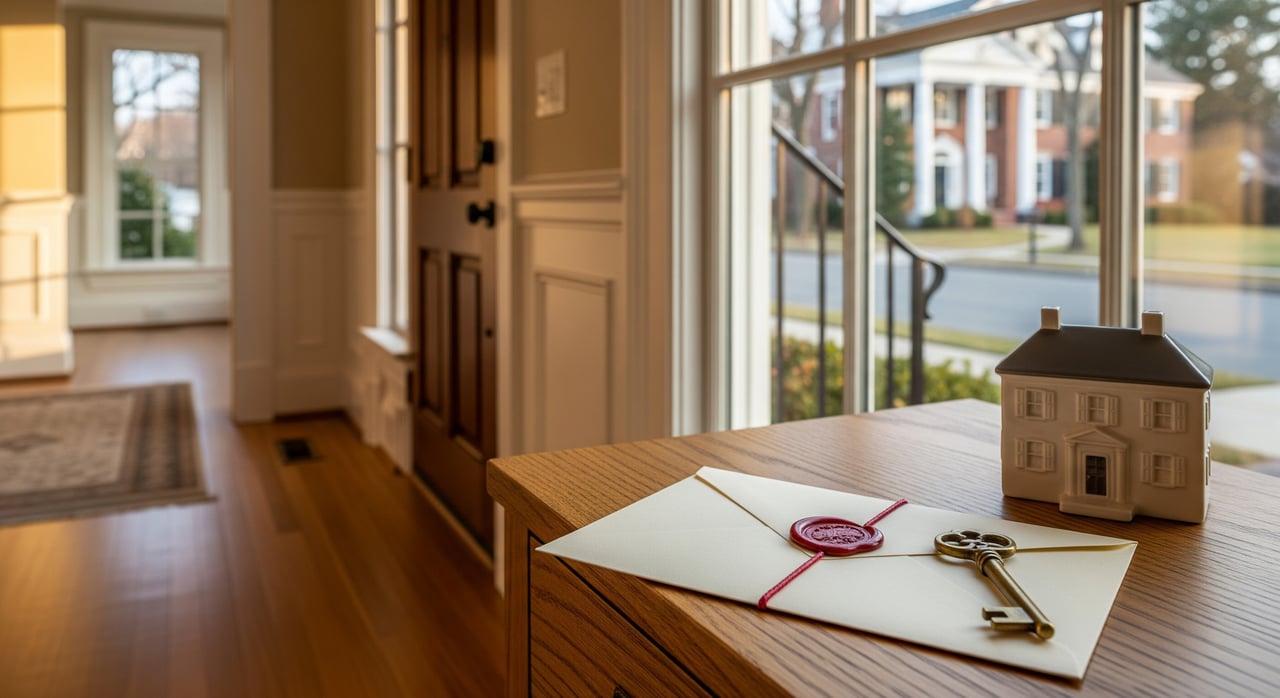
Earnest Money Explained for Metuchen Buyers
November 14, 2025
November 14, 2025
Buying in Metuchen and worried about putting cash on the line before closing? You’re not alone. Earnest money can feel confusing, especially when timing, contingencies, and attorney review all come into play. This guide breaks down how earnest money works in New Jersey and what it means for your Metuchen offer so you can move forward with confidence. Let’s dive in.
Earnest money, or a good-faith deposit, shows a seller you’re serious about buying. You deliver it with your purchase agreement, and if the sale closes, it’s applied to your down payment and/or closing costs. A solid deposit can strengthen your offer and give the seller assurance while you complete inspections, financing, and title review.
In your contract, you’ll see the deposit as a specific dollar amount and instructions about where and when to deliver it. The amount and the terms you agree to affect seller confidence, your negotiating leverage, and your financial exposure if the deal falls through.
In New Jersey, escrow is commonly handled by a real estate broker, a buyer’s or seller’s attorney, or a title company/settlement agent. Attorney involvement is frequent, and purchase contracts typically name the escrow holder and include release instructions, such as requiring mutual written consent or a court order to release funds.
Your deposit should be placed in a designated escrow or trust account, not a personal operating account, and kept separate until it’s disbursed at closing or released according to the contract.
Contracts often require the initial deposit within a short window after you and the seller sign. In practice, that window is commonly 24 to 72 hours after ratification, though the exact deadline is set by the contract. Always get a written receipt showing the amount, the date received, and the identity and account type of the escrow holder. Keep those records with your offer paperwork.
Deposit sizes vary by market and price point. In balanced markets, you’ll often see 1% to 2% of the purchase price. In competitive situations, 2% to 5% is not unusual. For lower-priced homes, a fixed dollar amount, such as $1,000 to $5,000, can make more sense than a percentage.
Metuchen is a commuter-friendly borough in Middlesex County, and competition can increase during hot periods. In those moments, some buyers increase the deposit to stand out. Norms can shift with market conditions, so align your deposit with current local practice and your overall offer strategy.
Contingencies give you time to complete due diligence while keeping your deposit safe when you follow the terms.
Your earnest money is typically refundable when you cancel based on a valid, active contingency and you provide timely, written notice as the contract requires. For example, if inspections reveal issues and you cancel within the inspection window, or your financing falls through within the financing contingency period, you generally keep your deposit.
Be precise with deadlines and notice procedures. Contracts spell out how and where to deliver notices, and missing those steps can put your deposit at risk.
If you breach the contract after contingencies expire, the seller may be able to keep the deposit as liquidated damages, depending on the contract language and local practice. Some contracts make keeping the deposit the seller’s sole remedy, while others allow the seller to seek additional remedies.
Common pitfalls include missed deadlines, ambiguous contract language about what it means to “satisfy” a contingency, and improper handling of escrow funds. Keep everything in writing, meet timeframes, and make sure the deposit is placed in a proper escrow or trust account.
If the seller breaches the contract, you’re typically entitled to a refund of your deposit and may have other remedies depending on the contract and facts. Escrow holders generally will not release funds without mutual written instructions, a court order or arbitration decision, or express contract authority. Escrow agents may also require indemnification when releasing funds without mutual consent.
Follow these best practices to protect your earnest money in Metuchen:
Metuchen’s commuter access can draw interest from both local buyers and NYC-area commuters. During more competitive moments, sellers may favor offers with higher deposits, shorter contingency periods, or contingency waivers. Waiving protections increases risk, so weigh that carefully before you proceed.
New Jersey transactions commonly use attorneys for contract review, escrow handling, and closing tasks. Plan your timeline to include attorney review and keep communication clear among your agent, attorney, and lender.
Market pressure and inventory change seasonally, so what’s customary for earnest money can shift. Stay flexible, and base your deposit strategy on current conditions and your comfort with risk.
Use this quick framework to right-size your deposit and minimize risk:
Gauge the market. Is it balanced or competitive? In balanced conditions, 1% to 2% is common. In competitive periods, 2% to 5% is not unusual.
Map your timeline. Note the deposit due date, attorney review window, inspection period, appraisal timing, and financing deadlines as stated in your contract.
Protect your outs. Keep key contingencies active and follow the exact notice steps in your contract. When in doubt, put it in writing and send on time.
Keep proof handy. Save your escrow receipt and be ready to show proof of funds to the seller.
Review before you risk. If you’re considering non-refundable terms, ensure the conditions and timing are crystal clear in writing.
A strong, well-structured deposit can help your offer stand out in Metuchen without exposing you to unnecessary risk. Focus on clear contract language, proper escrow handling, and strict attention to deadlines. Pair that with the right contingencies and documentation, and you’ll protect your funds while keeping your offer competitive.
If you want help tailoring your deposit strategy to the current Metuchen market and your budget, reach out. You’ll get step-by-step guidance from first showing to closing.
Ready to talk through your offer and deposit plan? Connect with Viviana Sells New Jersey for local, bilingual guidance that puts your goals first.
Stay up to date on the latest real estate trends.






Ready to buy, sell, or just explore your options? Viviana is here to help—reach out today to start the conversation.