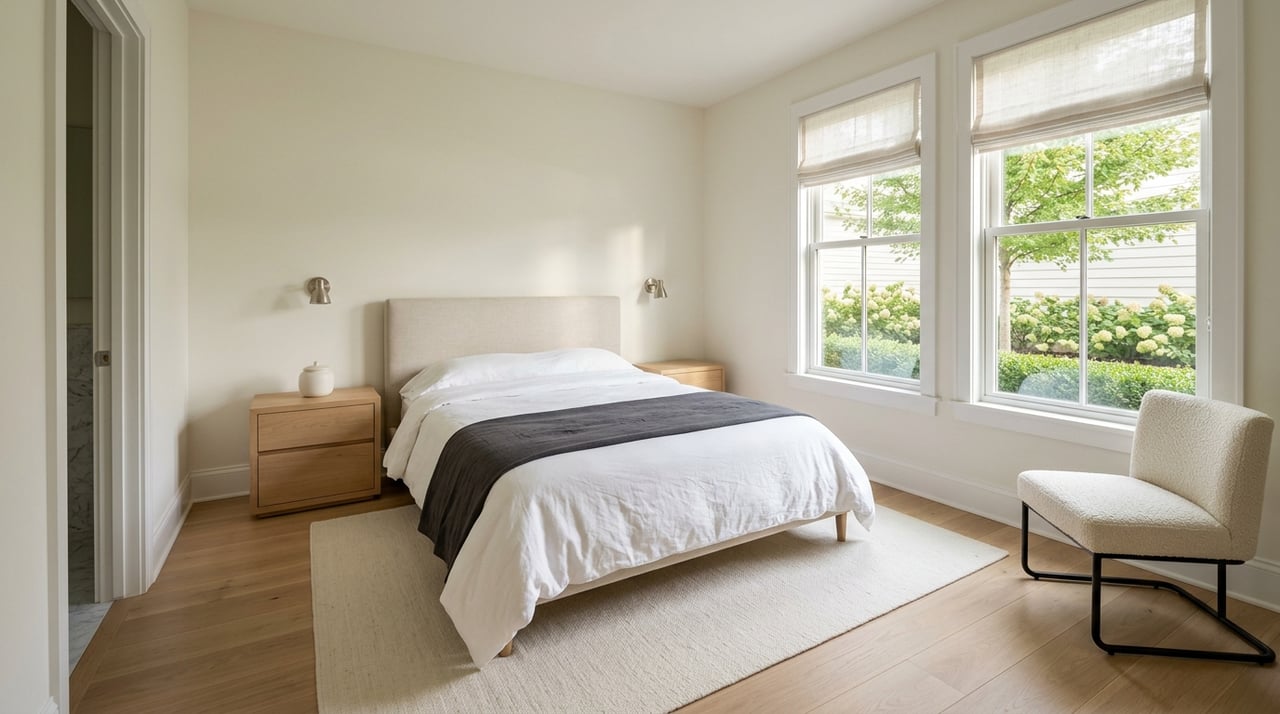
Trade-Up Strategies For Scotch Plains Move-Up Buyers
July 9, 2026
July 9, 2026
Wondering how to buy your next home without creating a stressful overlap with the one you already own? If you are a move-up buyer in Scotch Plains, that question matters even more right now because the local market is moving fast and inventory remains tight. With the right plan, you can protect your budget, reduce timing surprises, and make stronger decisions from day one. Let’s dive in.
Scotch Plains is a Union County township with more than 24,000 residents across about 9 square miles. The township also notes an active downtown redevelopment program, including a plan for public land along Park Avenue and surrounding streets that envisions retail, restaurants, apartments, public plazas, parking, and a new combined library and town hall.
For move-up buyers, the bigger issue is market speed. In the three months ending May 2026, Redfin reported a median sale price of $945,000 and an average of 17 days on market in 07076. Zillow showed 55 for-sale listings and 28 new listings as of May 31, 2026, while Realtor.com reported a median listing price of $975,000, a 105% sale-to-list ratio, and a seller’s market in March 2026.
That combination points to a competitive environment where preparation matters. If you wait until your current home is under contract to think through financing, timing, and net proceeds, you may lose valuable time when the right home appears.
A move-up plan should begin with numbers, not browsing. Before you tour homes, you need a clear sense of what your current home may net after selling costs and how that affects your down payment, monthly payment, and cash reserves.
In New Jersey, seller costs can materially affect your next-home budget. The state imposes a Realty Transfer Fee when a deed is recorded, and for deeds submitted on or after July 10, 2025, transfers above $1 million are also subject to the state’s Graduated Percent Fee, which ranges from 1% to 3.5% depending on consideration. Since local sale prices in Scotch Plains are already near the $1 million mark, this is not a detail to leave for later.
A simple budget review should account for:
There is no one-size-fits-all approach for move-up buyers. The best strategy depends on your equity, monthly payment comfort, and how much timing flexibility you have.
This is often the lowest-risk path. The Consumer Financial Protection Bureau notes that people who want to move normally try to sell their home first before buying another one.
The biggest advantage is clarity. Once your current home sells, you know your proceeds, your payoff is handled, and you reduce the risk of carrying two housing payments at the same time.
The tradeoff is convenience. You may need temporary housing, a rent-back arrangement if available, or a carefully negotiated closing timeline so you have time to secure your next home.
If you have strong equity and need to move quickly, temporary financing may help. A bridge loan is short-term financing, usually with a term of 12 months or less, that can be used to buy a new home while you plan to sell your current one.
Some homeowners also consider a HELOC. That can provide flexible borrowing against your equity, but it also creates risk because if you cannot repay, you could lose the home tied to that credit line.
This option requires a serious lender review. Fannie Mae guidance says lenders must document that you can carry payments on the new home, current home, bridge loan, and other obligations, so this path works best when your income, equity, and debt profile support it.
A home sale contingency allows you to move forward only if your current home sells within a set period. This can reduce risk, especially if most of your down payment is tied up in your current property.
The challenge is competitiveness. In a seller’s market like Scotch Plains, sellers may be less willing to accept contingent terms unless your offer is especially strong in other ways.
Contingent contracts can also involve additional moving parts, including inspection, financing, appraisal, attorney review, and title search. That means you need a backup plan if the sale or purchase timeline shifts.
Move-up buyers in New Jersey should plan around state-specific transaction timing. Residential contracts commonly include a three-day attorney review period, and according to NJ Realtors, the contract becomes legally binding at the end of that period unless an attorney disapproves it. The review period can also be extended by agreement.
That step matters because it affects how quickly your deal really becomes firm. If you are coordinating a sale and purchase at the same time, even a short delay can impact inspections, mortgage timelines, and your target closing date.
NJHMFA also notes that closing is usually held at the attorney’s office or mortgage lender’s office. A final inspection generally takes place within 24 hours of closing to confirm the seller has moved out and agreed repairs are complete.
One of the most common mistakes move-up buyers make is treating financing like a later step. In a fast-moving market, that can leave you scrambling when a home hits the market.
The CFPB advises borrowers to request and review multiple Loan Estimates. It also warns that rate locks can expire and that switching lenders can delay or even endanger closing.
For Scotch Plains buyers, that means your financing plan should be in place before your current home goes under contract, not after. You want to know what loan options are available, what your payment looks like at different price points, and whether temporary financing is realistic before you begin making decisions under pressure.
The most successful trade-up moves are coordinated early. Instead of handling sale prep, financing, and your next-home search one at a time, build a plan that connects all three.
A practical sequence looks like this:
This kind of planning gives you options. It also helps you act with more confidence in a market where homes can move in a matter of days.
When you are trading up, it is easy to focus only on the next house. In practice, your success often depends more on process than on property.
Prioritize these questions first:
If you answer those questions early, you can shop more strategically. You will also be less likely to overextend yourself just to keep pace with the market.
In Scotch Plains, move-up buyers are navigating a market with high prices, low inventory, and fast timelines. That does not mean you need to rush blindly. It means you need a plan that matches local conditions and New Jersey’s closing process.
Whether you decide to sell first, buy first with temporary financing, or write a contingent offer, the goal is the same: protect your finances while keeping enough flexibility to secure the right next home. With thoughtful prep, you can make your move with less stress and more control.
If you are planning your next move and want responsive, clear guidance in English or Spanish, Viviana Mejia can help you map out a smart strategy for buying and selling with confidence.
Stay up to date on the latest real estate trends.


Ready to buy, sell, or just explore your options? Viviana is here to help—reach out today to start the conversation.