Relocating From NYC To Hazlet, NJ
June 18, 2026
June 18, 2026
Thinking about trading city density for more space, easier parking, and a suburban routine that still keeps New York City within reach? If you are relocating from NYC to Hazlet, NJ, you are likely weighing more than just home prices. You want to know what daily life feels like, how commuting works, and what to expect once the moving boxes arrive. This guide walks you through the key differences so you can make a more confident move. Let’s dive in.
Hazlet Township is much less dense than New York City, which shapes nearly every part of daily life. Hazlet has 20,641 residents across 5.57 square miles, with a population density of 3,613.8 people per square mile. By comparison, New York City is far denser at 29,303.2 people per square mile.
That difference often shows up in the pace of life. In Hazlet, you are more likely to find a suburban, homeowner-oriented setting rather than a highly urban one. Census data supports that picture too, with an owner-occupied housing rate of 88.9% in Hazlet versus 32.8% in NYC.
If you are coming from NYC, Hazlet’s housing stock may feel more traditional and more space-oriented. The township’s housing is largely older, with a median year built of 1965, and about 72% of structures were built between 1950 and 1979. That gives much of the local inventory a classic suburban New Jersey feel.
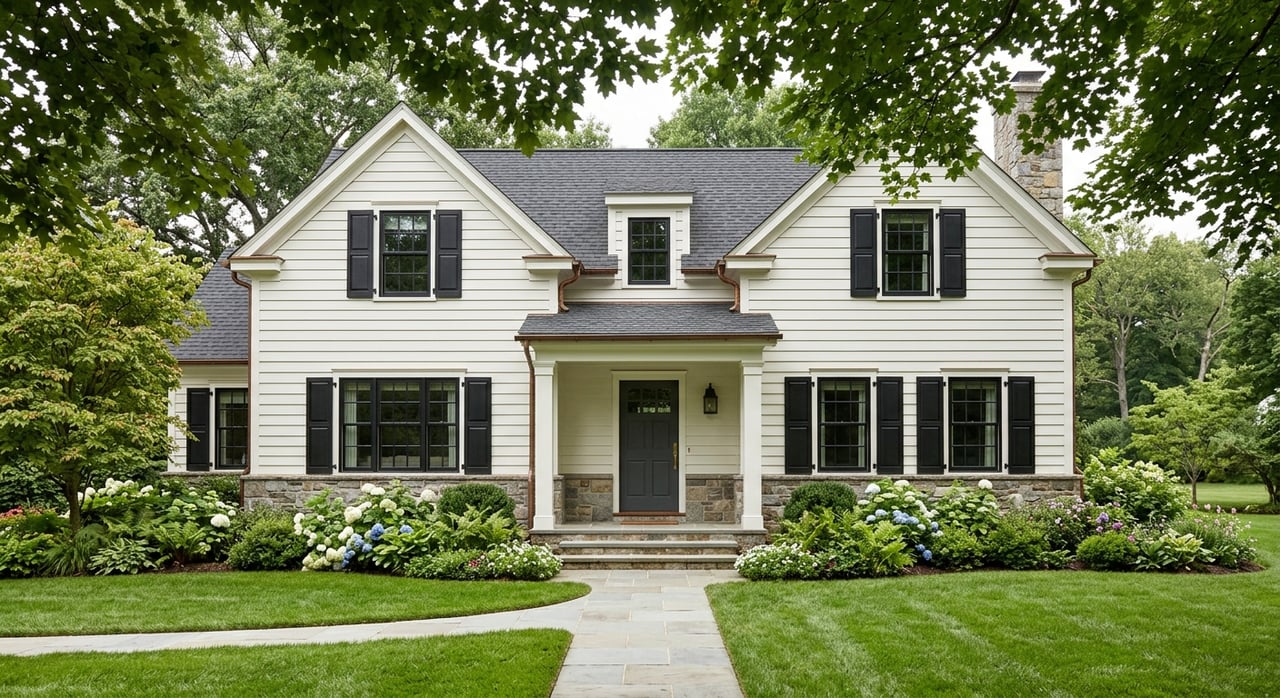
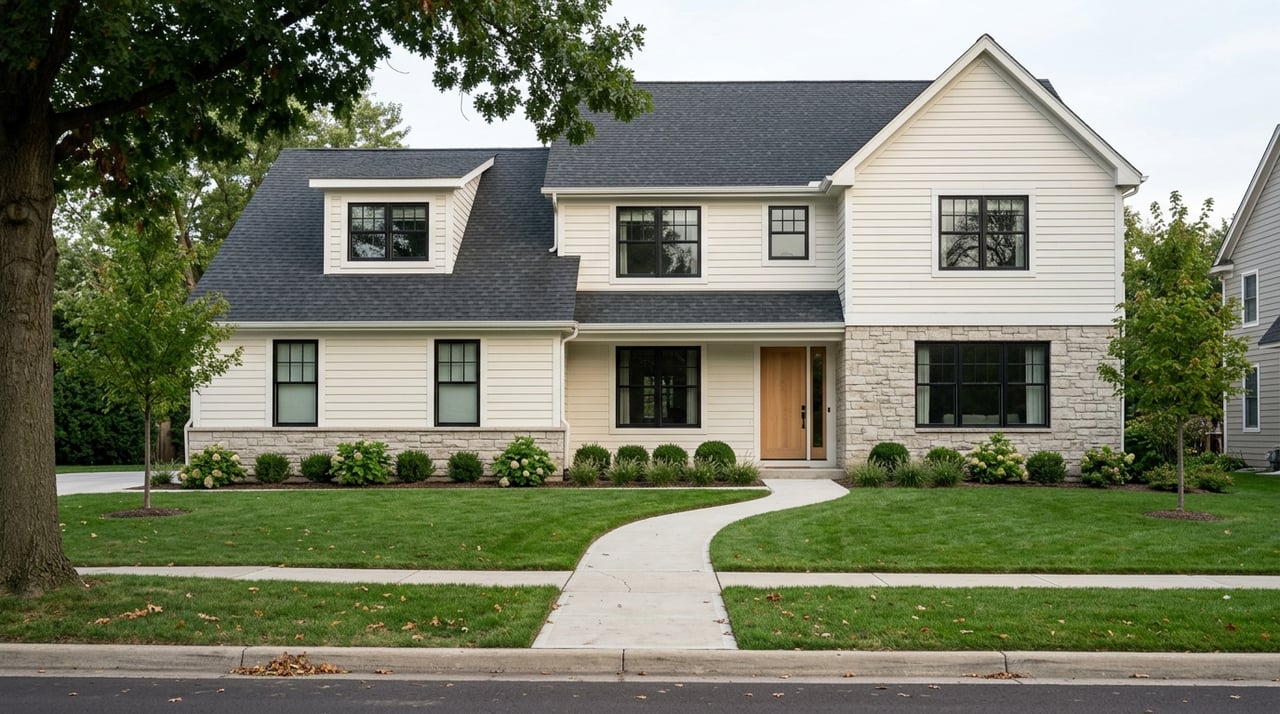
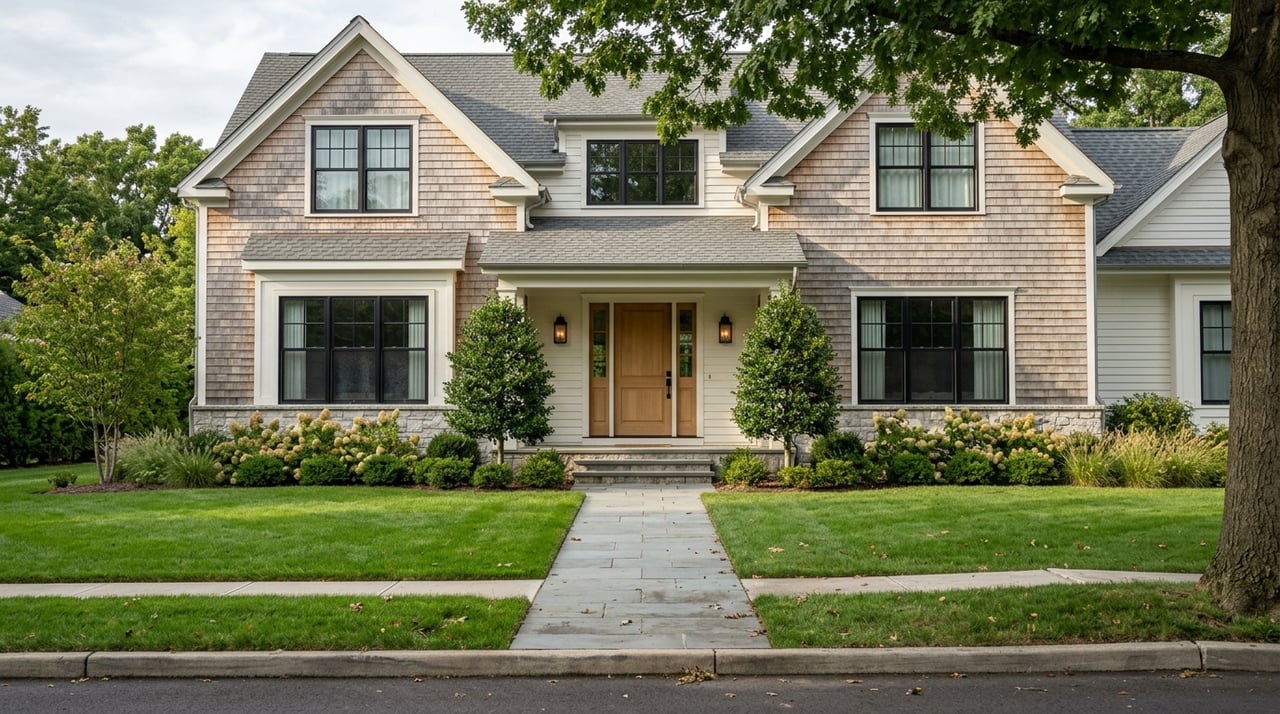
Local listing patterns commonly describe homes here as Cape Cod, ranch, colonial, and split-level styles. For many buyers, that means more chances to find single-family homes with yards, driveways, and layouts that differ from a typical city apartment or condo setup.
Hazlet is also strongly owner-focused. The median home value is $465,900, and median monthly owner costs with a mortgage are $2,797. Median gross rent is $1,400, which can help renters compare short-term options while planning a purchase.
Many NYC movers start with one big question: will Hazlet be more affordable? The answer depends on your income, housing goals, and commute needs, but the comparison data is worth a close look.
Hazlet’s median home value is about 40.1% lower than NYC’s median home value. Median gross rent in Hazlet is about 23.1% lower than NYC, and median monthly owner costs with a mortgage are about 15.1% lower than NYC.
That does not mean every move will cost less overall. Your budget may shift in different ways once you factor in transportation, home maintenance, parking, and the size or style of home you want. Still, the numbers suggest that many households moving from the city may find more housing value in Hazlet.
For many buyers, commute planning is the make-or-break issue. Hazlet Station is on NJ TRANSIT’s North Jersey Coast Line and offers parking, accessible-station access, and bike racks or lockers.
NJ TRANSIT says the North Jersey Coast Line provides direct service from Long Branch to Penn Station New York at all times. For stations between Bay Head and Long Branch, direct service is weekday peak only, and other trains require a change at Long Branch.
That means Hazlet can work well for commuters, but your exact schedule matters. If you need a predictable daily trip into Manhattan, it is smart to review actual train patterns before choosing a home and building your weekly routine around that ride.
Hazlet’s mean travel time to work is 32.2 minutes, compared with 40.3 minutes in NYC. That is a broad average for workers, not a dedicated New York commute time, but it does give useful context about how local travel compares.
Hazlet Station includes multiple parking lots with resident and nonresident permit options. The township’s new resident information also points newcomers to train-station parking passes.
If you plan to commute by rail, parking should be part of your relocation checklist early on. It is one of those practical details that can have a big impact on your day-to-day routine.
A move from NYC to Hazlet is not only about square footage. It is also about how your weekends, errands, and community routines may change.
Hazlet’s local resources highlight parks, recycling services, emergency alerts, recreation programs, and community events. The township also points residents to public safety resources, public schools, the Hazlet branch of the Monmouth County Library, and county parks.
The township highlights 5.7 square miles of parks, 8 children’s playgrounds, a dog park, trails, Natco Park, Veterans Memorial Park, Hazlet Swim & Tennis Club, and the Henry Hudson Trail. For many movers, that signals a more local-service-oriented suburban lifestyle with more outdoor space built into the week.
If your household is bilingual, it helps to know what the local language landscape looks like. In Hazlet, 14.7% of residents speak a language other than English at home. That share is lower than both Hudson County and NYC.
For some relocating households, that may feel like a noticeable change from the language mix of the city. This is where working with a bilingual real estate professional can make the process smoother, especially when you are navigating relocation steps, contracts, timelines, and local service setup in English and Spanish.
Here are a few common homebuying terms in English and plain Spanish:
Relocating gets easier when you break it into simple steps. If you are planning a move to Hazlet, these are some of the key items to handle early.
If you are moving from NYC, your search strategy may need to change. In the city, you may have focused first on transit lines and apartment layout. In Hazlet, you may also want to think about lot size, home age, driveway space, storage, and whether an older home may need future updates.
Because much of Hazlet’s housing stock was built before 2000, it can help to look at each home with both lifestyle and maintenance in mind. A home that feels like a great value on day one may also come with future plans for cosmetic updates, systems, or layout improvements.
This is also where local guidance matters. A relocation move is easier when you can balance commute realities, neighborhood feel, home style, and timing without trying to figure it all out alone.
Hazlet stands out for buyers who want a suburban Monmouth County location with rail access, a homeowner-heavy housing profile, and prices that compare favorably with NYC. It offers a lower-density setting, more traditional single-family housing types, and practical township resources that support everyday living.
If your goal is more room, a different pace, and a workable connection back to New York City, Hazlet may be worth a serious look. The key is making sure your budget, commute, and home expectations all line up before you make the leap.
If you are planning a move from NYC to Monmouth County and want bilingual, local guidance, Viviana Mejia can help you navigate the process with clear communication and responsive relocation support.
Stay up to date on the latest real estate trends.
Ready to buy, sell, or just explore your options? Viviana is here to help—reach out today to start the conversation.