House Hacking Strategies In Sayreville, NJ
June 11, 2026
June 11, 2026
Thinking about offsetting your mortgage by renting part of your home in Sayreville? House hacking can be a smart way to buy with more flexibility, but in this market, the strategy only works well when the property, zoning, permits, and rental setup all line up. If you want to explore a duplex, an accessory unit, or even a room-rental plan, this guide will help you understand the main paths, the local rules that matter, and the questions to ask before you buy. Let’s dive in.
House hacking usually means you live in the property as your primary residence and rent out part of it to help cover your housing costs. In Sayreville, that idea has to fit both borough zoning rules and New Jersey rental requirements.
That is why the first step is not just finding a property that looks like it could work. You also need to confirm that the current use, or your planned use, is actually allowed for that specific parcel and supported by the proper approvals.
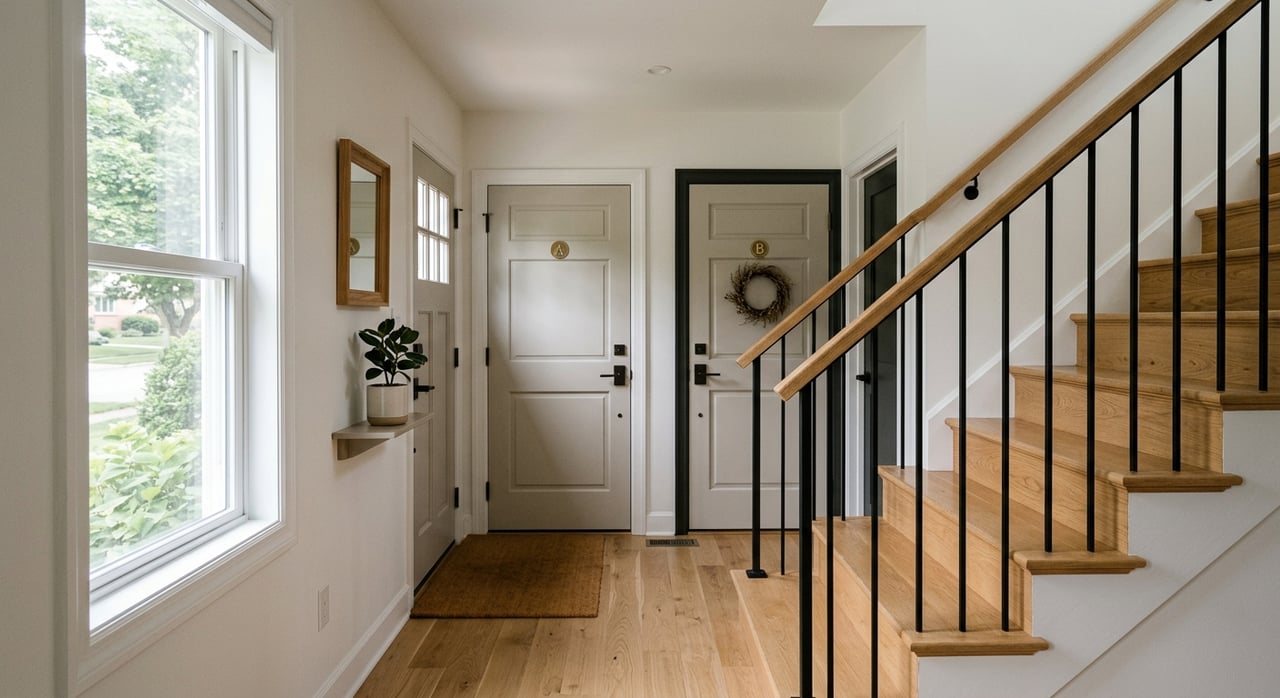
For many buyers, this is the clearest house-hacking path. If you buy a legally permitted duplex, triplex, or four-unit property and live in one unit, you may be able to rent the others and use that income to help with the payment.
The research report shows that Fannie Mae and Freddie Mac both recognize owner-occupied 2- to 4-unit properties as eligible property types. It also notes that rental income from the non-owner-occupied units may be considered in qualifying, depending on the loan program and lender guidelines.
Another possible path is a one-unit home with an additional dwelling unit. In Sayreville, this requires extra caution because the borough states that added dwelling units are only allowed where zoning permits them, the lot and building must meet zoning requirements, and a building permit is required.
This matters because you cannot assume an existing basement or attic setup is legal just because it has a kitchen or separate entrance. Sayreville specifically identifies basement and attic apartments as common examples of illegal added units when they were created without prior approval.
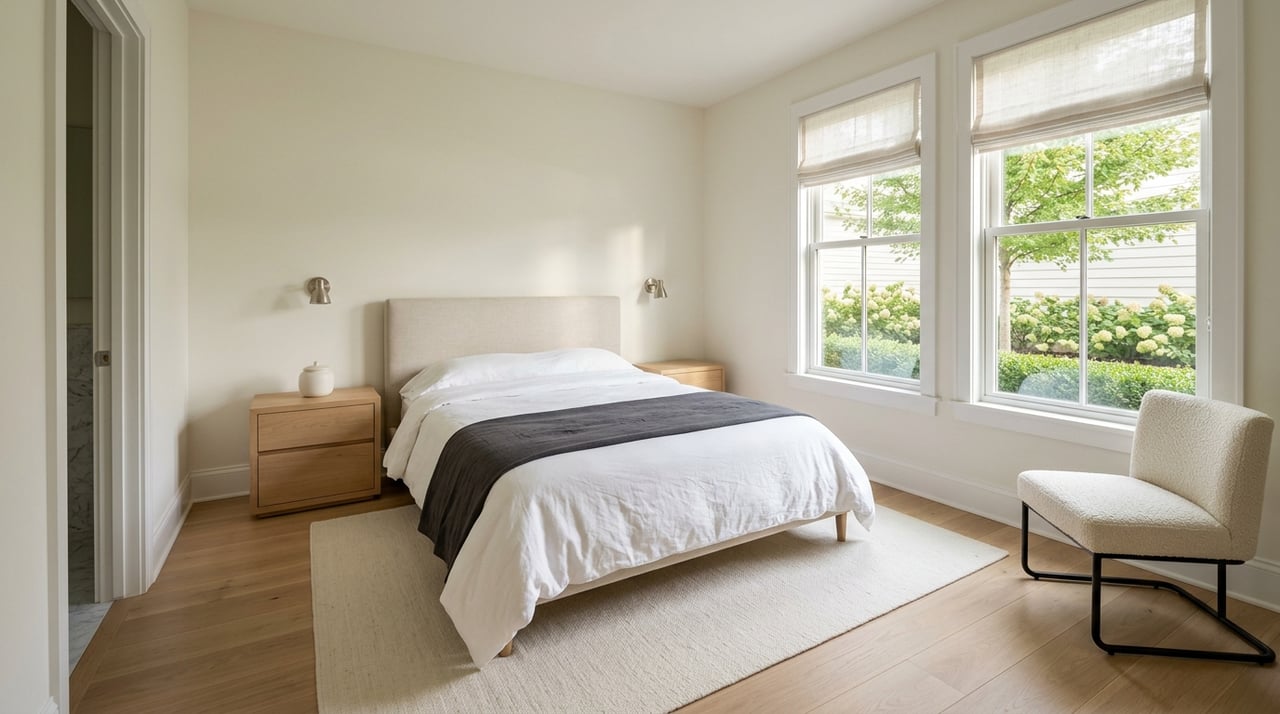
A room-rental strategy can be the lowest-cost way to start. You buy a home, live there, and rent one or more bedrooms to help reduce your monthly costs.
But there is an important line to watch. The research report notes that bedroom rentals can start to resemble a rooming or boarding house if the setup functions like a boarding operation, and New Jersey licenses owners and operators of rooming and boarding houses through the Bureau of Rooming and Boarding House Standards.
A listing may call a home a two-family, an in-law suite property, or a possible income producer. That language should never replace due diligence.
Sayreville states that the Zoning Officer administers and enforces Chapter 26, reviews zoning permits, and investigates zoning violations. For a buyer, that means legality should be checked property by property before you rely on future rental income or plan any conversion.
Sayreville’s illegal-occupancy guidance is very clear. An illegal apartment is an additional dwelling unit created without first receiving building department permit approval.
If a unit was added without approval, the owner may need to remove it or go through a legalization process. That can affect financing, move-in plans, renovation costs, and resale down the road.
Permit history matters more than many buyers realize. Sayreville warns sellers and real estate professionals to check for open permits early because unresolved permit issues can delay closing and certificate issuance.
For a house hacker, this is especially important. If your plan depends on a legal rental setup, you want clarity on permits and occupancy status before you get too far into the transaction.
Before renting out a home in Sayreville, the borough says you must register as a landlord with the Clerk’s Office and complete the rental-inspection process. The research report also notes that New Jersey law requires landlord registration for rental properties and requires tenants to receive a copy of the registration certificate at the start of a new tenancy.
This means even a small-scale rental plan should be treated like a real compliance process. If you are planning to rent a unit or other qualifying space, make sure this step is part of your timeline.
Sayreville’s rental page says a lead-safe certification is required for rentals, with certain exemptions. The research report notes examples of exemptions, including post-1978 construction, certified lead-free properties, certain long-registered multiple dwellings, certain seasonal rentals, and units with a valid lead-safe certification.
At the state level, New Jersey’s lead-rental law applies to certain single-family, two-family, and multiple rental dwellings, and lead-safe certificates are valid for two years. This is one more reason to verify compliance early if the property will be used as a rental.
If the property is a residential occupancy with three units or more, Sayreville’s Fire Prevention Bureau says it is inspected every year under borough ordinance. That is an important operating detail if you are considering a triplex or four-unit property.
A larger property may create more rental income potential, but it can also come with added inspection and compliance responsibilities. You want to understand both sides before making an offer.
The research report confirms that conventional owner-occupied financing is a real path for 2- to 4-unit properties. Fannie Mae says rental income from non-owner-occupied units of a 2- to 4-unit primary residence can be used in qualifying, and Freddie Mac recognizes the same general owner-occupied structure as eligible.
If you are looking at a duplex or small multifamily in Sayreville, ask your lender how projected or existing rents may be treated in your approval. That answer can shape your budget and property search.
FHA may also be worth exploring. The research report states that HUD makes FHA loans available on 1- to 4-unit properties, and that 3- to 4-unit properties are subject to a self-sufficiency rental-income test under the FHA handbook.
That does not mean every 3- or 4-unit property will fit. It means you should ask early how FHA rules could affect the type of property you can buy and what income assumptions the lender can use.
For eligible buyers, VA financing can be part of the conversation too. The research report notes that VA-backed loans require personal occupancy and can cover residential property with up to four family units.
If you qualify for VA financing and want to house hack, ask how the occupancy rules apply to your specific plan. This can be a strong option when the property and program guidelines match.
If your plan is to rent bedrooms inside the home instead of a separate unit, talk with your lender about how that income is treated. The research report notes that Fannie Mae has a specific boarder-income exception, and HUD has also noted FHA flexibility for income from individuals renting space inside the home, subject to program limits.
This is a detail worth clarifying before you write offers. The way a lender counts boarder or rental income can affect what you comfortably afford.
Before you buy a house-hacking property in Sayreville, make sure your review covers the basics below.
This kind of review can help you avoid one of the biggest risks in house hacking: treating an informal setup like a legal rental before zoning, permitting, fire-safety, and registration steps are complete.
House hacking in Sayreville can be a practical way to lower your housing costs and build long-term flexibility, but the best opportunities are usually the ones that are clearly legal, well-documented, and realistic for your financing. A true duplex or small multifamily often offers the cleanest path, while accessory units and room rentals require more careful review.
If you are shopping in Sayreville, it helps to work with an agent who understands how to evaluate multi-family potential, permit history, and local process issues before they become expensive surprises. With the right guidance, you can focus on properties that fit both your budget and your plan.
If you want help finding a duplex, small multifamily, or owner-occupied investment opportunity in Sayreville, connect with Viviana Mejia for bilingual, local guidance tailored to your goals.
Stay up to date on the latest real estate trends.
Ready to buy, sell, or just explore your options? Viviana is here to help—reach out today to start the conversation.