Discover Scotch Plains NJ Neighborhoods & Homes
March 26, 2026
March 26, 2026
Looking for a New Jersey town that blends a small, walkable center with leafy neighborhoods and easy regional access? If you are trying to picture how Scotch Plains feels block by block, listings alone can leave you guessing. This guide gives you a street-level sense of the homes, lot styles, and daily rhythms in each pocket of town. You will come away knowing where to look for porch-lined streets, larger wooded lots, mid-century layouts, and station convenience. Let’s dive in.
Set in Union County, Scotch Plains spans about 9.06 square miles with an older village core and broader commercial strips along Route 22. It borders Fanwood, Westfield, and Plainfield, and reads as a classic central New Jersey suburb with distinct pockets that each feel a little different. For a quick primer on location and history, explore the township’s profile on the Scotch Plains Wikipedia page.
At a high level, you will notice:
The heart of town hugs the Alan M. Augustine Village Green and Park Avenue. Here, you get sidewalks, short blocks, storefronts, and a steady mix of community events like farmers markets and summer concerts. The township spotlights the Village Green as a community anchor and a focus of downtown revitalization in municipal updates. If you want a small-town main street feel, start your search here.
Many Scotch Plains residents use nearby Fanwood for Raritan Valley Line rail service. The area around the station developed early, creating a compact, walkable setting with late-19th and early-20th century homes on tree-lined, curved streets. For transit context and station details, review the Fanwood station overview. Living within a 10 to 20 minute walk of the platforms reads as station-convenient for a lot of buyers.
Head north and the landscape turns greener and more wooded as you approach the Watchung Reservation. Streets often wind and lots tend to run larger, with mature trees and a more suburban-rural mood compared with the village core. These blocks suit buyers who prioritize privacy, topography, and easy access to trails and natural areas.
South Scotch Plains saw major growth in the 1950s and 1960s, when farmland gave way to suburban subdivisions. You will find ranches, raised ranches, and split-level homes on regular street grids with driveways and rear yards. The township’s local history notes highlight this era of development and its lasting influence on the housing stock.
U.S. Route 22 runs along the township’s northern edge and acts as the main auto-oriented commercial spine. Expect larger plazas, big parking fields, and drive-to retail instead of a walkable main street. A regional snapshot of the strip’s role sits in this Route 22 corridor overview.
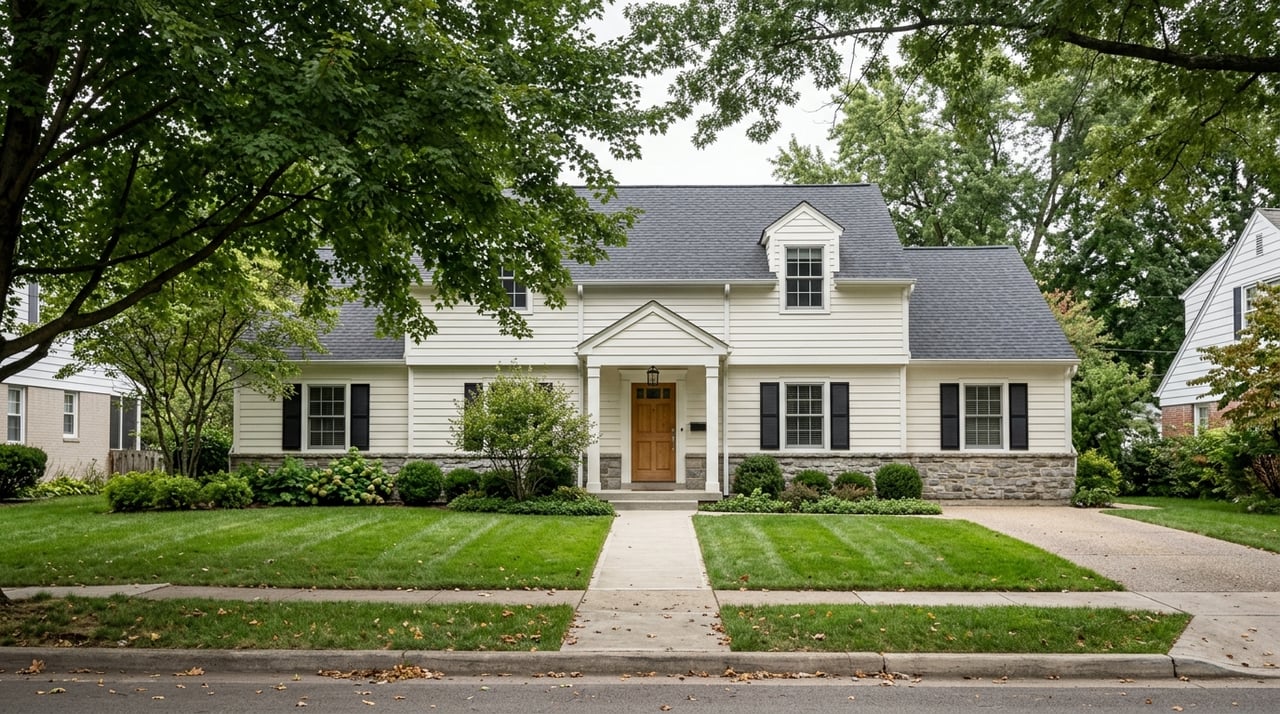
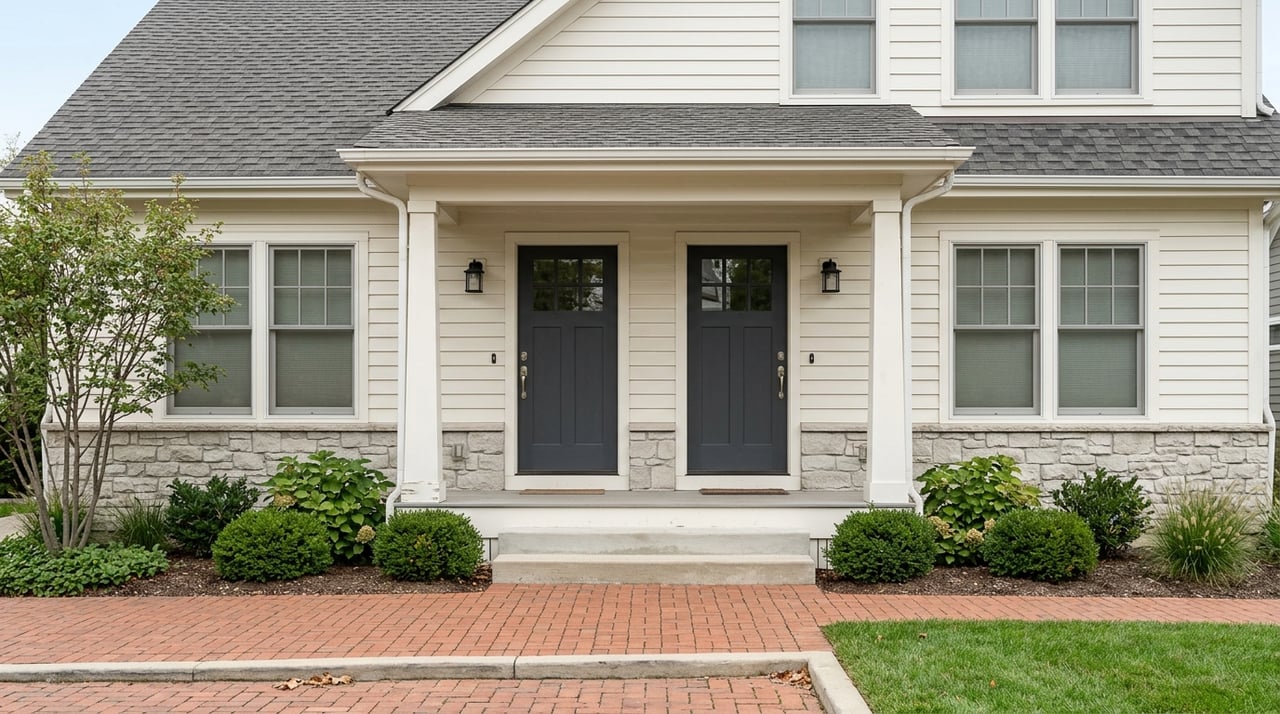
In and around the village and near the station-oriented Fanwood area, you will see Victorian, Colonial or Georgian Revival, Craftsman bungalows, Tudors, and early catalog homes. Think front porches, mature street trees, and detached single-family forms. These streets often deliver the most classic early suburban curb appeal.
Ranch, raised ranch, and split-level homes dominate the post-war neighborhoods. Interiors in these homes are often more modest in footprint compared with the older north and west pockets. Many have been updated over time, and you will also spot colonials or larger replacements sprinkled in. For context on when and how these areas grew, scan the township’s history overview.
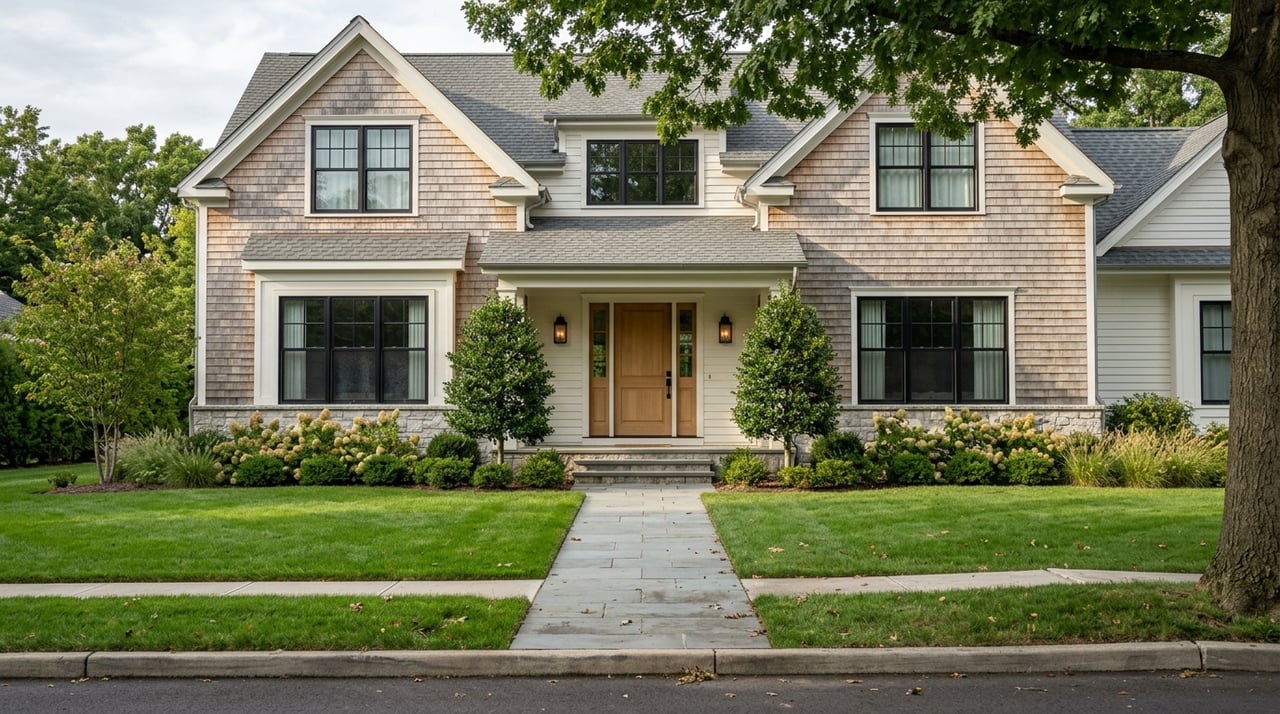
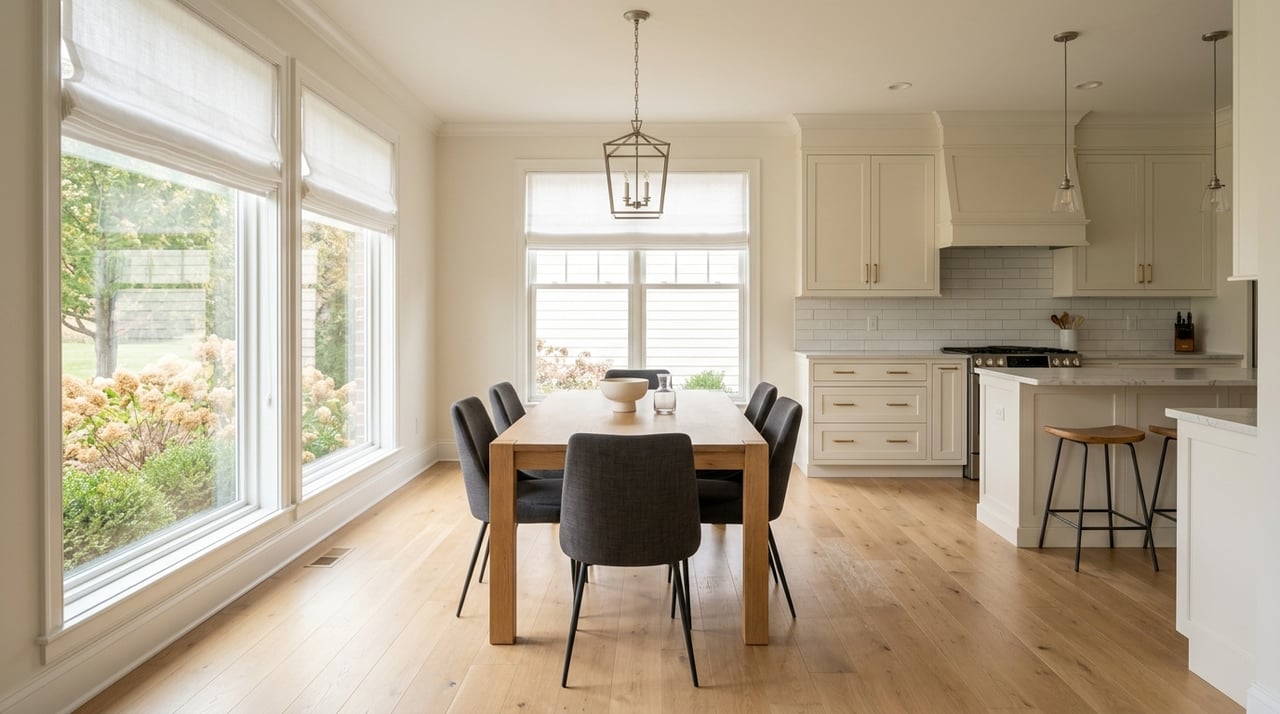
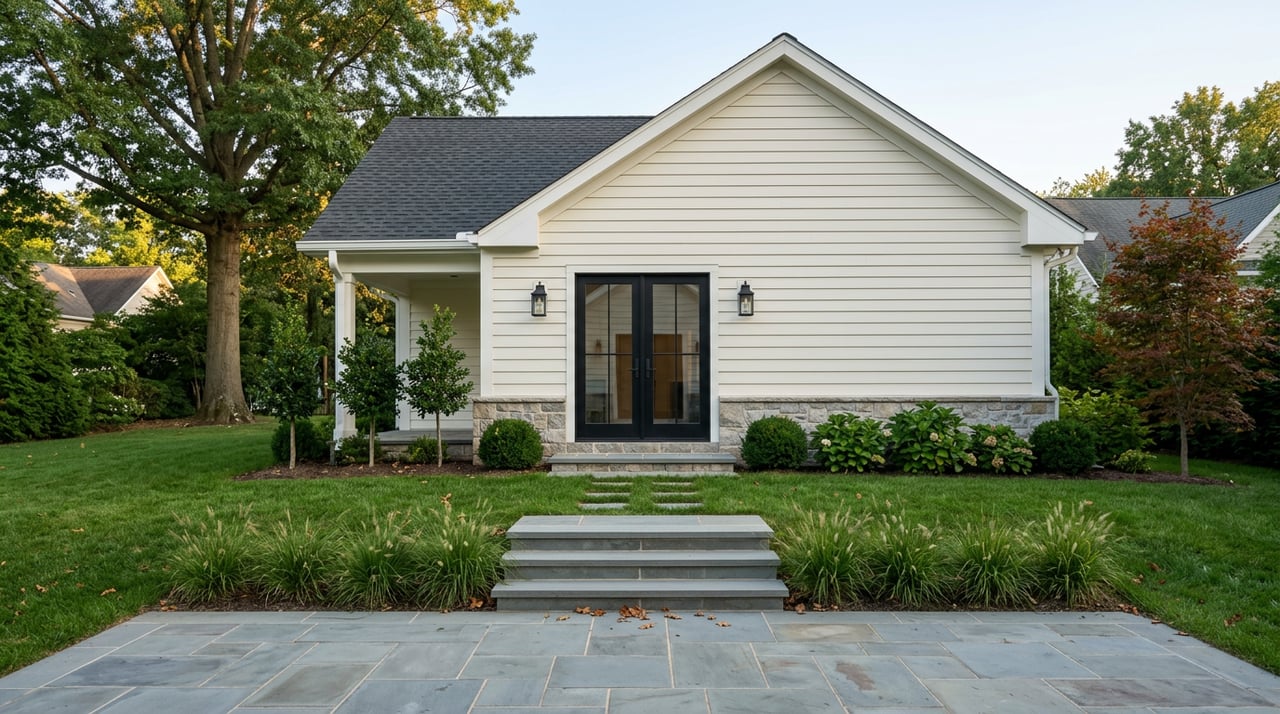
Newer custom builds and higher-end replacements tend to appear on larger lots, particularly along corridors like Cooper Road and Rahway Road. You will notice a contrast between traditional façades and newer multi-level homes with contemporary finishes. If you want something turnkey and larger, keep an eye on these infill-heavy streets.
Scotch Plains offers a strong parks network and easy access to regional open space. The Watchung Reservation, roughly 2,000 acres just north of town, is the area’s signature natural amenity with miles of trails and woodland. In-town parks include Ponderosa Farm Park, Green Forest Park, and Brookside Park, alongside the township-owned Shady Rest and Scotch Hills golf facility. You can explore location details and seasonal programming on the municipal parks calendar.
Golf and club settings also shape the feel in a few pockets. Shackamaxon Country Club and the Scotch Hills/Shady Rest facility add clubhouse-oriented amenities and broader green views where neighborhoods meet course edges. The township highlights these assets in its community profile.
For a friendly, small-business vibe, the Park Avenue and Village Green cluster is your pedestrian core. Expect cafés, independent shops, and seasonal town events like farmers markets and live music, described in municipal updates about downtown programming. For bigger errands and national retailers, head to Route 22’s plazas, which are set up for quick in-and-out trips by car and abundant parking, as outlined in the Route 22 corridor snapshot.
Many residents use the NJ Transit Raritan Valley Line at nearby Fanwood for service into Newark Penn Station, with transfers as needed for New York Penn. The line has piloted periods of one-seat rides in the past, but service patterns change, so always confirm current schedules. For station context and amenities, review the Fanwood station page. Local notices, like Fanwood’s service updates, are also helpful before you plan a commute.
Route 22 and nearby state roads form the practical car commute spine and host regional bus stops. Walkability tools list common bus lines near the village area and Route 22, and you will find frequent park-once plazas along the strip. Driving distances are straightforward too, at roughly 15 miles to Newark Liberty International Airport and about 20 to 25 miles to Manhattan depending on route and traffic. For a quick mileage reference, see the Scotch Plains to EWR distance.
Fanwood station has permit and paid lots with limited walk-up platform areas. Rules can shift by season or year, so check current permit policies if station convenience is a top priority. Homes within a 10 to 20 minute walk usually feel the most practical for daily rail use.
If you want a walkable, small-town feel, focus on the Park Avenue and Village Green area and the blocks leading toward Fanwood’s station. If you want larger lots with a greener, hillier setting, look to the north side near the Reservation. If you want mid-century layouts and a traditional suburban grid at typically lower price points, survey the south side post-war subdivisions. These patterns hold broadly across town and help you target your search faster.
Use this quick checklist during tours:
You deserve a clear, local picture of Scotch Plains before you buy or sell. If you want help matching your must-haves to the right streets, or you are planning a move into or out of Union County, let’s talk. Hablamos español. Connect with Viviana Mejia for friendly, data-informed guidance and a smooth plan for your next move.
Stay up to date on the latest real estate trends.
Ready to buy, sell, or just explore your options? Viviana is here to help—reach out today to start the conversation.